2026 Smart Thermostat Trends for Efficient Cooling
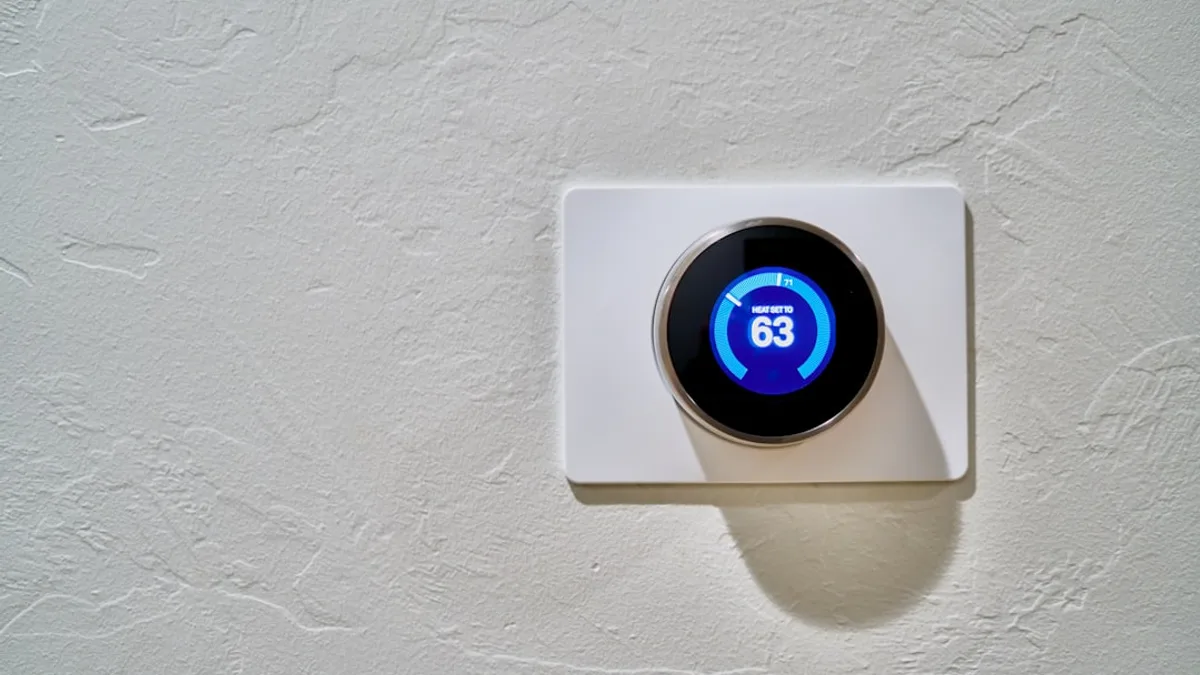
As we look ahead to 2026, smart thermostats are evolving rapidly, bringing new levels of efficiency and convenience to home cooling systems. These innovative devices are set to revolutionize how we manage our energy consumption and comfort, offering solutions that are both environmentally friendly and cost-effective. In this article, we'll explore the latest trends in smart thermostats that promise to enhance AC efficiency and reduce energy costs.
Key Smart Thermostat Trends for 2026
1. AI-Powered Learning
One of the most exciting trends in smart thermostats is the integration of artificial intelligence (AI) for adaptive learning. These devices will not only remember your daily schedule but also learn from your behavior to optimize cooling patterns. This results in a significant reduction in energy usage while maintaining comfort. Expect thermostats that can:
- Predict your cooling needs based on past usage
- Adjust settings automatically when you leave or return home
- Provide personalized energy-saving tips
2. Enhanced Connectivity
In 2026, smart thermostats are expected to offer even greater connectivity options. Integration with home automation systems and other smart devices will be seamless, allowing users to control their entire home environment with ease. Features to watch for include:
- Voice control through smart speakers
- Integration with smart home platforms like Google Home and Amazon Alexa
- Remote control via smartphone apps
3. Advanced Sensors
Smart thermostats will increasingly incorporate advanced sensor technology to provide precise climate control. These sensors will detect room occupancy, humidity levels, and even air quality, enabling the thermostat to adjust settings in real-time for optimal comfort and efficiency. Benefits include:
- Improved temperature accuracy
- Enhanced humidity control
- Better indoor air quality management
4. Energy Reporting and Insights
Future smart thermostats will offer detailed energy reporting, empowering users with insights into their energy consumption patterns. This data will help users make informed decisions about their cooling practices, potentially leading to significant energy savings. Features to expect include:
- Real-time energy usage tracking
- Monthly energy consumption reports
- Customizable energy-saving recommendations
Benefits of Efficient Cooling Technology
Implementing efficient cooling technology not only helps reduce energy bills but also contributes to a more sustainable environment. Here’s how smart thermostats can benefit homeowners and renters:
- Cost Savings: By optimizing cooling schedules and using energy only when necessary, smart thermostats can lead to savings of up to 10-15% on energy bills.
- Environmental Impact: Reduced energy consumption means lower carbon emissions, making smart thermostats an eco-friendly choice.
- Improved Comfort: With precise temperature control and learning capabilities, smart thermostats ensure comfort tailored to individual preferences.
For those interested in calculating their specific cooling needs, our [BTU Calculator](/btu-calculator/) can help determine the right AC size and optimize energy efficiency further.
Smart Thermostats in Commercial Spaces
While homeowners are the primary adopters of smart thermostats, these devices are gaining traction in commercial spaces too. Offices and workplaces are beginning to recognize the benefits of optimizing their HVAC systems with smart technology. By implementing smart thermostats, businesses can enhance employee comfort, reduce operational costs, and contribute to sustainability goals.
For more insights on creating a comfortable and efficient workplace environment, the team at blog.getexperience.com has written extensively about office comfort and HVAC optimization strategies.
Frequently Asked Questions
Are smart thermostats easy to install?
Yes, most smart thermostats are designed for easy installation, typically requiring just a few tools and basic wiring knowledge. Many manufacturers provide detailed [Installation Guides](/installation/) to help users through the process. However, if you're not comfortable with DIY projects, hiring a professional is always a good option.
How do smart thermostats save energy?
Smart thermostats save energy by learning your schedule and preferences, allowing them to adjust the temperature automatically based on your routines. They also offer insights into energy consumption and provide recommendations for further savings. This intelligent management ensures that energy is used efficiently, reducing wastage and lowering bills.
Can smart thermostats work with all types of air conditioners?
While most smart thermostats are compatible with a range of air conditioning systems, it's essential to check compatibility before purchasing. Some might work better with specific systems. Our [AC Types Guide](/ac-types/) can help you understand which smart thermostat is best suited for your system.
Conclusion
The evolution of smart thermostats in 2026 is set to transform how we approach efficient cooling. With AI-powered learning, enhanced connectivity, advanced sensors, and detailed energy insights, these devices promise improved comfort and significant energy savings. Whether you're a homeowner looking to lower your bills or a business aiming to enhance office comfort, staying ahead of these trends can lead to a smarter, more sustainable future.